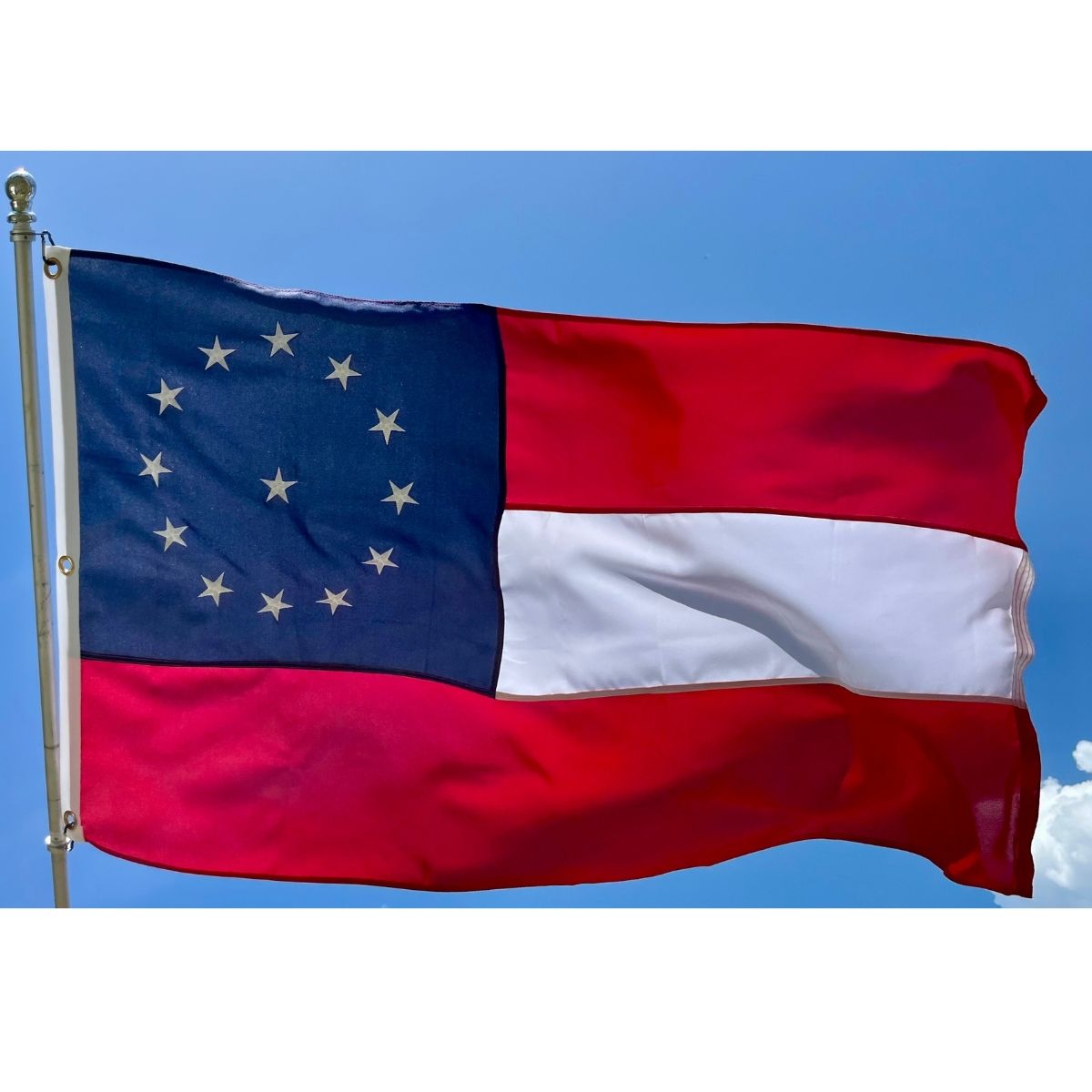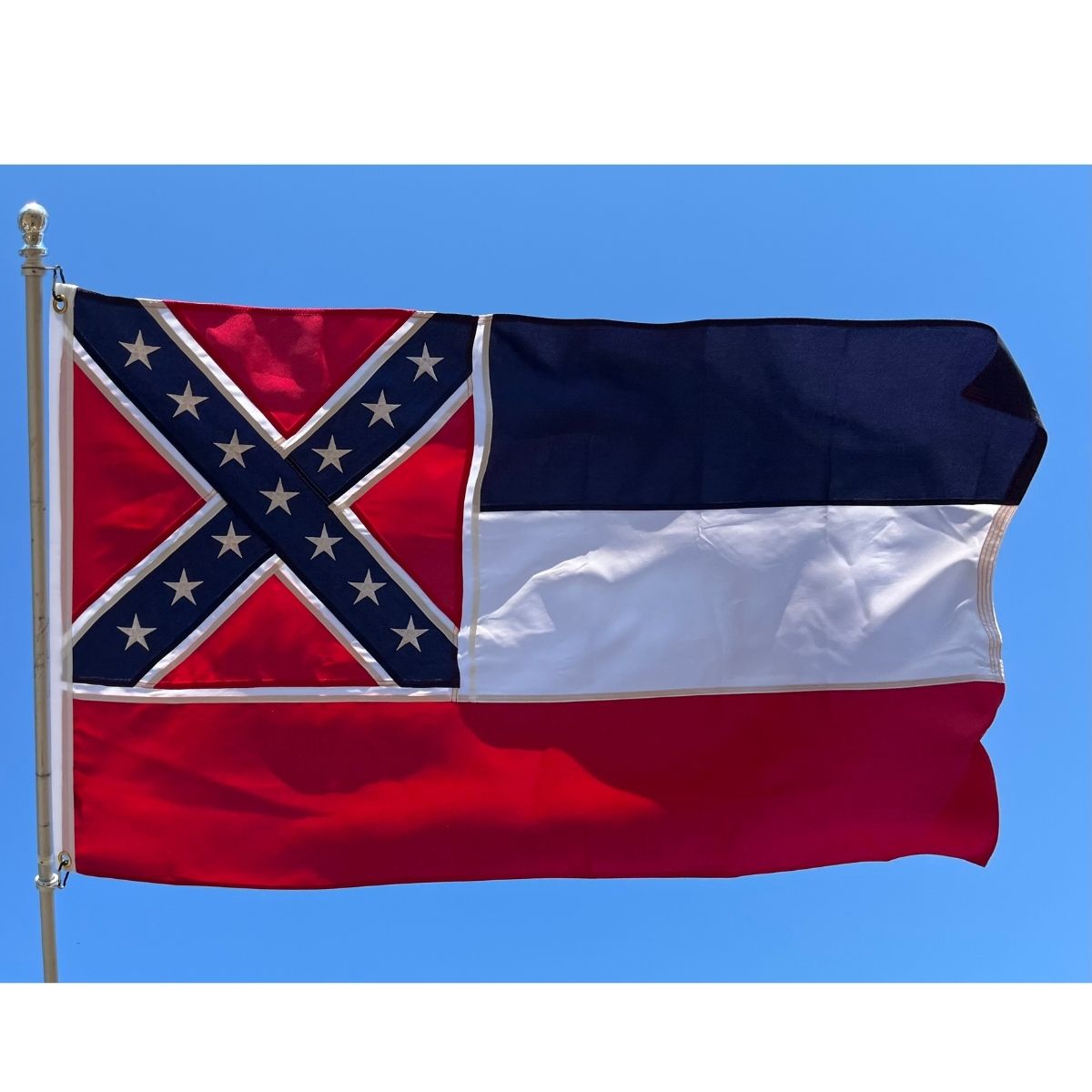
Ultimate Flags - Alternate Confederate Flags

United Daughters of the Confederacy

The Confederate States of America formed in 1861 after Southern states left the United States. South Carolina became the first state to secede, followed by Mississippi, Florida, Alabama, Georgia, Louisiana, Texas, Virginia, Arkansas, Tennessee, and North Carolina. Jefferson Davis became president of the Confederate government while Abraham Lincoln led the United States during the American Civil War.

The Confederate Battle Flag also became widely recognized through entertainment. The television show The Dukes of Hazzard featured the General Lee car with a Confederate Battle Flag painted on the roof.

Rebel Flag

  1. Texas
  2. First Confederate Flag
  3. Georgia
  4. Battle Flag of Northern Virginia
  5. Confederate Flags at National Parks
Because of the popularity of the series, many Americans became familiar with the Rebel Flag during the 1970s and 1980s.

Citations and other links

Ultimate Flags - Large Confederate Flag

Ultimate Flags - Large Confederate Flag

Many people ask, “What does the Confederate Flag stand for?” The answer depends on personal views and historical interpretation. Some people see the Rebel Flag as a symbol of Southern pride, family history, country culture, or military remembrance. Others connect the Confederate Flag controversy to slavery, segregation, racism debate, and political symbolism. This disagreement remains part of the larger Confederate symbol debate in the United States today.

People often ask, “What does the Confederate Flag stand for today?” The answer depends on personal beliefs, family history, and historical interpretation. Some people view the Rebel Flag as a symbol of Southern heritage, military remembrance, family ancestry, and country culture. Others connect Confederate symbolism with slavery, segregation, racism debate, and political symbolism. This disagreement remains part of the larger Confederate Flag controversy in modern America.

At first, the Stars and Bars served as the official flag of the Confederate States of America. However, military leaders quickly discovered a serious problem during battles. The Stars and Bars looked too similar to the United States flag when viewed through smoke and dust on the battlefield. During the Battle of Bull Run, confusion sometimes happened between Confederate Army troops and Union Army soldiers because both sides used flags with similar colors and patterns.

The Confederate Flag history did not end at Appomattox Court House in 1865. After the Civil War and during the Reconstruction Era, veterans groups including the Sons of Confederate Veterans and the United Daughters of the Confederacy helped preserve Confederate memorials and Southern heritage traditions. Confederate veteran flags appeared during reunions, memorial events, and historical ceremonies across states like Virginia, Alabama, Georgia, and Tennessee.

One of the most important events in Lee's military career came during the Battle of Gettysburg in July 1863.

Confederate Symbolism

  • General Lee
  • Why People Fly Confederate Flags
  • Battle of Antietam
  • Confederate States of America
  • Southern Pride
  • Outdoor Confederate Flag
  • Stonewall Jackson
  • Abraham Lincoln
Lee invaded Pennsylvania hoping to win a major victory on Northern soil. After three days of fighting, Union forces led by General George G. Meade defeated the Confederate Army. Historians often consider Gettysburg a turning point in the American Civil War.

Many historians continue studying Confederate Flag history and Confederate Flag evolution to better understand how these symbols developed during and after the Civil War. The debate over Confederate monuments, Confederate memorials, and Confederate symbolism remains active across the United States today. Whether viewed as historical artifacts, military symbols, or controversial political images, Confederate flags continue to hold a major place in American history and public discussion.

Different Confederate flags had different purposes. Confederate regimental flags identified smaller military groups while Confederate division flags marked larger troop units. Civil War Confederate flags helped commanders organize soldiers during combat. Captured Confederate flags later became war trophies held by Union forces led by generals such as Ulysses S. Grant and William Tecumseh Sherman.

Questions about NASCAR often appear in Confederate Flag discussions. People ask, “Did NASCAR ban Confederate flags?” Yes. NASCAR officially banned Confederate flags from races and official events in 2020. Another common question is, “When did NASCAR ban Confederate flags?” The ban was announced in June 2020 after national discussions about race and public symbols.
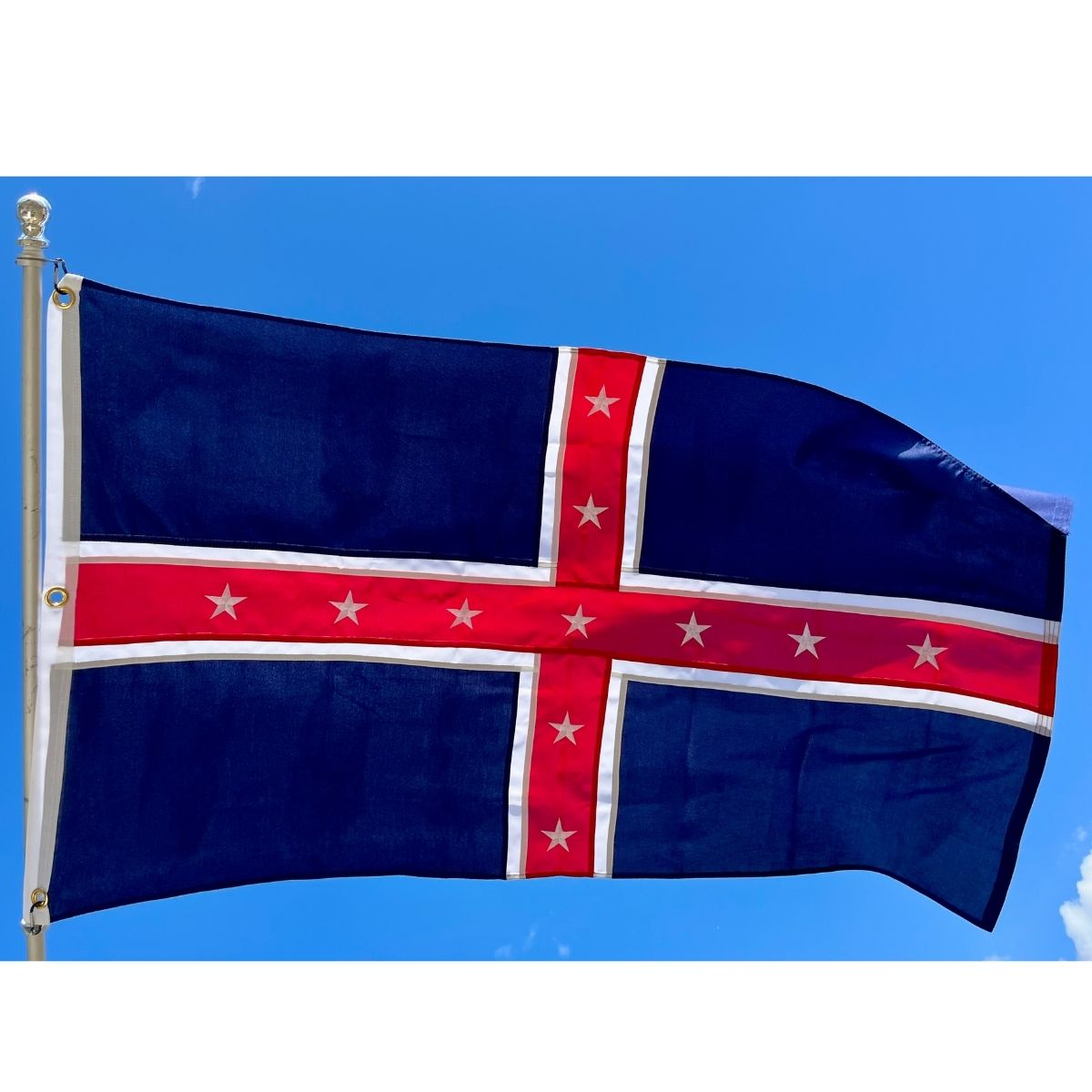
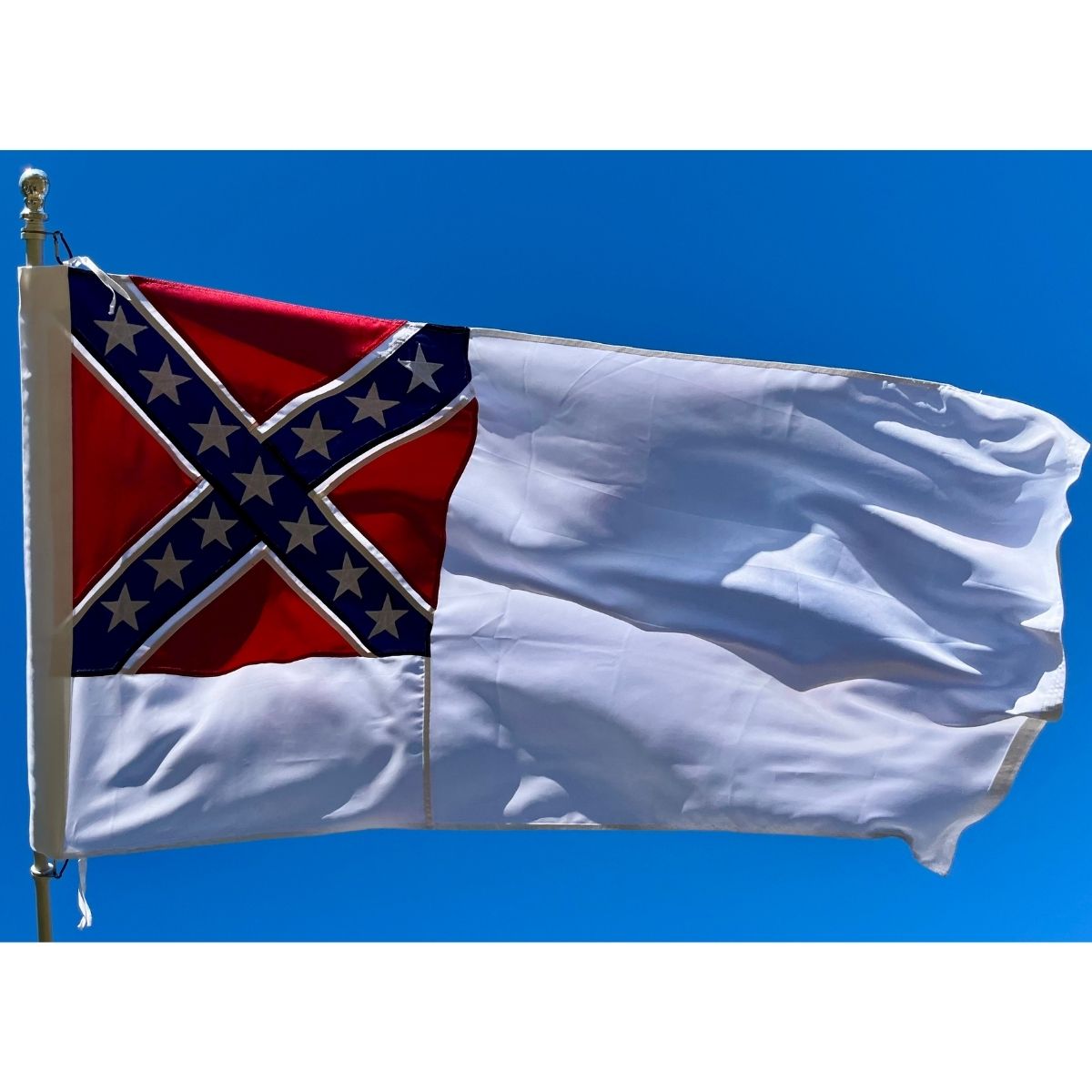
Ultimate Flags - Confederate Flag 3x5

Questions about Confederate Flag legality continue today. In most cases, the Confederate Flag is protected by free speech laws in the United States. However, schools, workplaces, sports organizations, and government buildings may create their own rules about displaying Confederate symbols. NASCAR banned Confederate flags from official events in 2020. Confederate flags at Ole Miss and Confederate flags at National Park Service locations have also been part of public debate.

Ultimate Flags - Confederate Flag 3x5
Ultimate Flags - Confederate Flag 4x6

As the war continued, Union general Ulysses S. Grant placed heavy pressure on Lee and the Confederate Army. Grant used larger Union forces and stronger supply lines to slowly weaken Confederate resistance. By 1865, Confederate resources were running low across the South. United Daughters of the Confederacy The war officially ended for Lee on April 9, 1865, at Appomattox Court House in Virginia when he surrendered the Army of Northern Virginia to Ulysses S. Grant.

Questions about history are also very common. People ask, “What were the Confederate States?” The Confederate States of America was a government formed by Southern states that separated from the United States in 1861 before the Civil War. Jefferson Davis served as president of the Confederacy.

Ultimate Flags - Confederate Flag For Wall

Questions about Confederate Flag legality are also common. In most situations, displaying Confederate flags is protected under free speech laws in the United States. However, schools, workplaces, sports organizations, and government buildings may create rules about displaying Confederate symbols. Confederate flags at Ole Miss and Confederate flags at National Park Service locations have created ongoing public discussions.

Today, Confederate flags remain part of American history discussions. Confederate Battle Flag Historians study the Confederate Army, the Union Army, Abraham Lincoln, Jefferson Davis, Nathan Bedford Forrest, William Tecumseh Sherman, and major Civil War battles to better understand the meaning of these symbols. Whether people view Confederate flags as historical artifacts, military symbols, or controversial political images, they continue to play a major role in conversations about the American Civil War and Southern history.

Ultimate Flags - Alternate Confederate Flags
Ultimate Flags - Confederate Flag For Wall